Anion Gap Calculator for Medical Use and Assessment
What the Anion Gap Assesses
The anion gap is a practical way to evaluate serum electrolytes and look for hidden unmeasured anions that may signal a metabolic disorder. In medicine, it helps refine the differential diagnosis when a patient has an acid-base disorder, especially metabolic acidosis. An Anion Gap Calculator uses routine lab values such as sodium, chloride, and bicarbonate to derive this difference efficiently.
Conceptually, the anion gap reflects the balance between measured cations and measured anions. Because common chemistry panels do not capture every charged particle in blood, the gap serves as a helpful screening tool for metabolic derangement. When the gap rises, clinicians think about added acids or other negatively charged substances. When it is normal, the finding can still be important, because it helps differentiate one type of metabolic acidosis from another and supports the overall pattern of acid-base balance.
Although the calculation is simple, interpretation is not. The result must be viewed with the full context of lab values, symptoms, and the rest of the chemistry panel. A small shift in bicarbonate level or chloride can meaningfully change the result, so the anion gap is best used as part of a broader clinical interpretation rather than as a stand-alone diagnosis.
How to Use an Anion Gap Calculator
An Anion Gap Calculator is most useful when you have a recent basic metabolic panel or electrolyte panel. Provide the measured sodium, chloride, and bicarbonate; some calculators also allow entry of potassium. The output provides a fast anion gap calculation that can support initial assessment and patient assessment.
Most clinicians apply the calculator during triage, inpatient review, or urgent evaluation of suspected acid-base abnormalities. The result can help identify whether the clinical picture fits a high anion gap metabolic acidosis or a normal anion gap pattern. Because the tool is built on routine chemistry, it is also valuable as a quick interpretive guidance aid before ordering more specialized testing.
Practical workflow is important. First, verify that the sample comes from a reliable draw and that the values are internally consistent. Then evaluate whether the patient has an obvious explanation such as lactic acidosis, ketoacidosis, or diarrhea. If the number does not fit the presentation, the calculator should trigger deeper review rather than automatic conclusions. In that sense, it acts as a quick diagnostic approach rather than a final answer.
If potassium is included, the formula may differ slightly depending on the calculator used. Many clinical references omit potassium for simplicity, while some include it for completeness. Either way, consistency is key: use the same method when trending values over time, especially in patients with evolving electrolyte imbalance or mixed disorders.
Anion Gap Formula and Normal Range
The classic anion gap formula is commonly written as sodium less the sum of the sum of chloride and bicarbonate. Some providers include potassium, but the traditional version is more commonly used in routine practice. The result reflects the concentration of unmeasured anions in the plasma and provides a compact summary of the relationship between measured electrolytes.
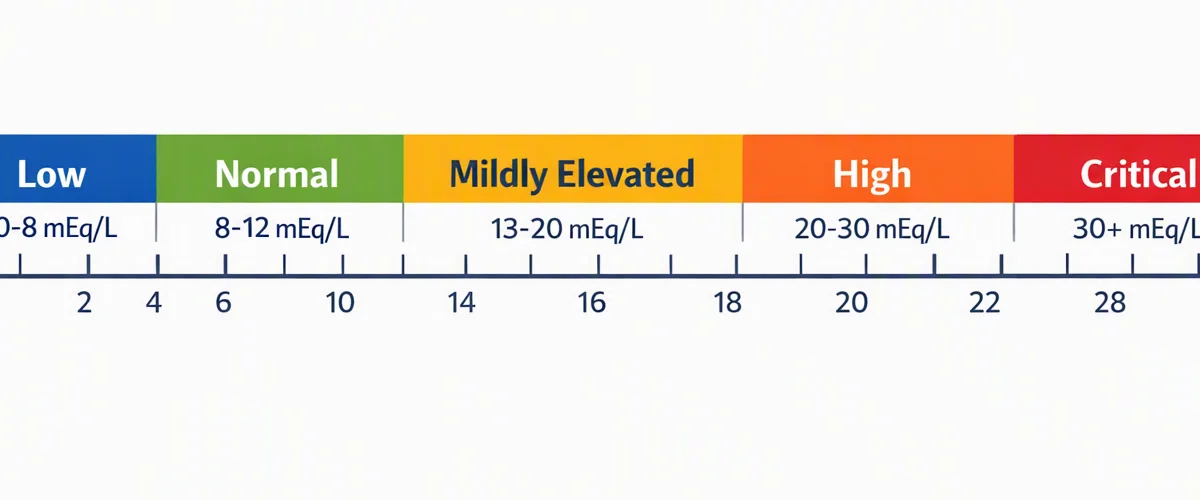
The normal anion gap depends on the laboratory method and the analyzer in use. Because each lab has a slightly different reference range or reference interval, the most accurate interpretation begins with the range reported by that specific laboratory. A value that appears elevated in one setting may fall within the expected range in another.
That is why clinicians should avoid interpreting a number in isolation. The same result can have different meaning depending on the assay, patient population, and whether albumin is low. In other words, the “normal” range is not a fixed truth but a practical boundary used for clinical interpretation.
Still, the reference interval is important because small changes can matter. A modest increase in the anion gap may be the earliest clue to a developing metabolic problem, while a clearly abnormal result can point toward a significant anion gap elevation that deserves immediate attention. In both cases, the value should be interpreted with the whole clinical picture, not just the calculator output.
Revised Anion Gap with Albumin Correction
Albumin is a important unmeasured anion, so low levels can lead to the gap look falsely normal or low. For this https://anion-gap-test105.cavandoragh.org/can-isoniazid-lead-to-a-high-anion-gap reason the corrected anion gap is often crucial when hypoalbuminemia is present. If albumin is reduced, the measured anion gap may miss the degree of acid accumulation, creating a false impression of normality.
Albumin correction modifies the calculation to better show the patient’s true acid-base status. This step is particularly important in critically ill patients, those with malnutrition, liver disease, inflammation, or fluid overload, where serum albumin may be below the usual range. In these settings, a corrected value can reveal hidden metabolic acidosis that otherwise might be missed.
Clinically, the corrected anion gap helps differentiate low-gap physiology from a true acid burden. For example, a patient with low albumin and a borderline gap may actually have a relevant acid load once the correction is applied. That makes albumin adjustment a useful part of clinical interpretation and a useful way to avoid downplaying illness severity.
When using a calculator, verify whether albumin correction is built in or must be done separately. If it is not included, directly consider the correction before finalizing your assessment. This is particularly useful when working through complex lab values in a patient with suspected mixed metabolic abnormalities.
Increased anion gap Metabolic Acidosis
High anion gap metabolic acidosis develops when unmeasured acidic substances collect or when acids are retained more quickly than they can be eliminated. This finding usually suggests a genuine excess of acid in the body and ought to prompt a focused search for the cause. Common causes include lactate elevation, ketoacidosis, and uremic toxicity.
Lactic acid buildup is frequently related to tissue poor blood flow, low oxygen levels, seizures, severe infection, or medication-related changes. Ketoacidosis can occur in diabetes, starvation, or alcohol-related disorders. Uremia reflects reduced renal clearance of acid and other solutes in advanced kidney dysfunction. Each of these conditions can lead to a clinically important elevated anion gap.
A high gap should be read alongside symptoms and other labs. Lactate, ketones, creatinine, glucose, and oxygenation may reveal the source of the disturbance. In practice, the calculator assists in identifying the pattern, while subsequent testing defines the cause. That is why the anion gap is best viewed as the first step in a broader clinical differential.
Every elevated value means severe disease, but a substantial increase calls for timely attention. If the result is unexpected, check the chemistry panel for internal consistency and consider whether hemolysis, sampling error, or unusual exposures could be influencing the numbers. A clear pattern of elevated anion gap metabolic acidosis should typically trigger rapid evaluation and confirmation testing.
Typical Anion Gap Metabolic Acidosis
Normal-gap metabolic acidosis, often referred to as hyperchloremic metabolic acidosis, develops when bicarbonate is lost or chloride rises to maintain electroneutrality. With this pattern, the gap remains within the expected range even though the patient is still acidemic. Frequent causes include diarrhea, renal tubular acidosis, and other conditions that produce bicarbonate loss.
Diarrhea can lead to direct gastrointestinal loss of bicarbonate, which makes it one of the most common causes of this pattern. Renal tubular acidosis indicates impaired renal handling of acid or bicarbonate, and it may present with persistent metabolic disturbance despite preserved overall kidney function. These processes often show a compensatory rise in chloride, which helps maintain the normal anion gap.
This is important because it changes the diagnostic direction. Rather than focusing mainly on retained acids, clinicians should think about losses of bicarbonate, renal acidification defects, or medication effects. The calculator remains useful, but the interpretation shifts toward the underlying mechanism of metabolic acidosis rather than toward a toxin or lactate-driven process.
When the gap is normal but acidosis is suspected, verify the bicarbonate trend and look for GI loss, tubular dysfunction, or saline-related hyperchloremia. A normal number does not rule out clinically significant illness; it simply narrows the likely mechanism and supports a more targeted diagnostic approach.
Clinical Interpretation and Next Actions
Interpreting the anion gap is part of broader acid-base disorder assessment. The number should be paired with the overall clinical context, serial labs, and, when needed, an arterial blood gas. A blood gas helps determine pH, respiratory compensation, and whether the patient has a primary acidemia, alkalemia, or mixed disturbance.
One important next step is the delta gap, which helps recognize mixed acid-base disorders when the gap is elevated. By comparing the change in anion gap with the change in bicarbonate, clinicians can assess whether an additional metabolic process is present. This is especially useful when the presentation is not straightforward or when the calculator result does not fully match the patient’s status.
The value of the calculator is in clinical decision-making. It can help guide whether the workup should focus on lactate, ketones, kidney function, toxins, or gastrointestinal loss. It also helps determine the urgency of treatment and whether confirmation testing is needed. For example, a patient with worsening symptoms and rising anion gap may need immediate intervention, while a stable patient with a borderline result may need close observation and repeat labs.
Best practice is to integrate the gap with the rest of the metabolic picture. Consider volume status, mental status, renal function, glucose, medication exposures, and hemodynamic stability. In this way, the calculator supports rapid triage while preserving nuance in interpretive guidance.
When to Verify or Validate Results
Measuring again is appropriate when the result does not fit the clinical scenario or when there is concern for lab error. The anion gap is derived from multiple lab components, so a small issue in any component can alter the answer. If the calculation seems inconsistent with the patient’s condition, a second specimen may be necessary to confirm the finding.
Repeat testing is especially important if the sample may have been affected by hemolysis, contamination, delayed processing, or collection problems. A suspicious electrolyte panel can distort the diagnostic process, so rechecking values protects against unnecessary workup or missed disease. When the numbers change unexpectedly, compare the repeat values with the earlier result to see whether the pattern is stable or transient.
Confirmation testing is also useful when the patient has a complex presentation. If the anion gap is elevated but the story is unclear, the next step may include lactate, ketones, renal studies, or an arterial blood gas. If the patient has low albumin, consider repeating the chemistry with albumin measured at the same time so the corrected anion gap can be estimated more accurately.
Ultimately, the calculator is a quick tool, not a final diagnosis. It supports a careful workflow: verify the numbers, assess whether the gap fits the presentation, and confirm with additional data when needed. That sequence is central to safe and efficient patient care.
Common Questions
What is an Anion Gap Calculator used for?
An Anion Gap Calculator is used to rapidly calculate the anion gap from routine lab values and help assess metabolic acidosis. Clinicians use it as a screening tool to detect anion gap elevation, guide the differential diagnosis, and decide whether more testing is needed.
What is a normal anion gap range in adults?
The normal anion gap interval in adults is determined by the laboratory’s reference interval and analyzer method. Always interpret the value using the range reported by the lab that produced the result, since different methods may have slightly different normal values.
How do you correct the anion gap for low albumin?
When albumin is low, the measured gap can understate the true acid burden. A corrected anion gap uses albumin correction to compensate for hypoalbuminemia. This adjustment is crucial in patients with low serum albumin, because the uncorrected value may appear falsely normal.
What causes a high anion gap?
Common causes of high anion gap metabolic acidosis include lactic acidosis, ketoacidosis, and uremia. Other causes exist as well, but these are among the most clinically important and frequently considered when the calculator shows a clear increase.
Can a normal anion gap still indicate metabolic acidosis?
Yes. A normal anion gap can still occur in metabolic acidosis, especially with diarrhea, renal tubular acidosis, or other causes of bicarbonate loss. In that situation, the calculator helps recognize the pattern, but additional evaluation is needed to define the underlying disorder.